
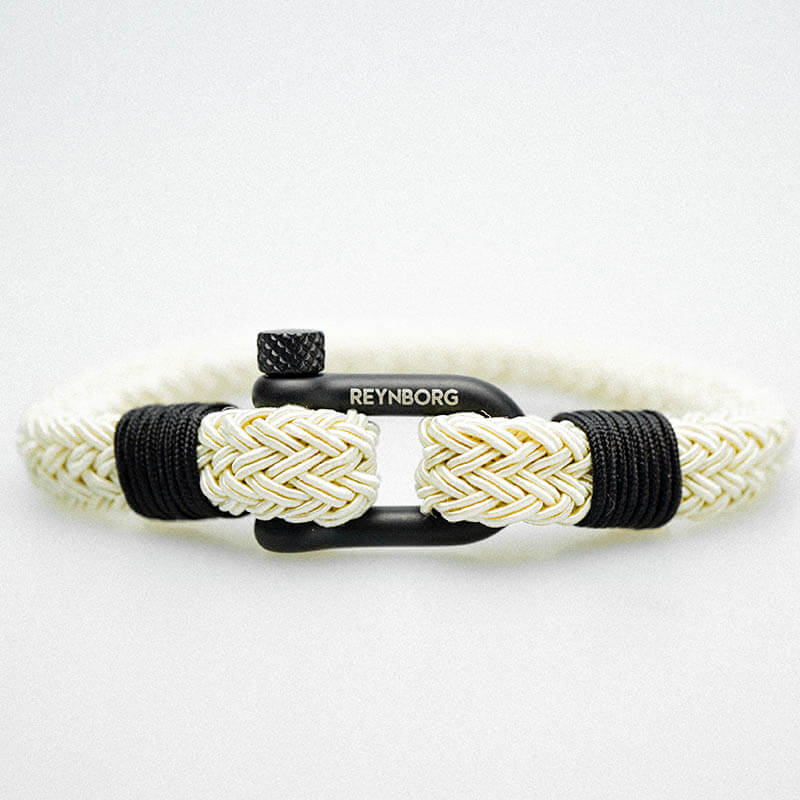
A bracelet looks at home when it works with the clothes you wear. For a first piece, compare its shape and finish with your usual shirts, watch and shoes. A slim chain and a broad cuff can give the same outfit quite different moods.
Key facts
- A large link or broad cuff draws attention even when its design is simple, while a smaller bracelet usually reads as a detail.
- Try a bracelet with two or three ordinary outfits you own instead of judging it on a bare wrist.
- Check where the bracelet lands when you lower your hand and pull on a jacket, then follow the seller’s sizing instructions for that design.
- A bracelet is not a reliable way to infer someone’s sexuality; people wear jewelry for many reasons, such as a gift or a private memory.
- Search-interest data is normalized and scaled from 0 to 100, so a peak shows relative interest, not a count of men wearing bracelets.
What makes a bracelet feel current?
A plain chain beside a relaxed shirt feels different from a broad cuff against a close-fitting black sleeve. Look at the silhouette and texture together: would you wear that combination on an ordinary day? A familiar design can still suit a new outfit.
Try a texture you like, a little shine or a color repeated elsewhere in the outfit. Keep your usual clothes on while you compare bracelets; it’s easier to judge a new accessory against something familiar.
Choose a look that belongs with your wardrobe
Start with clothes you already wear often. If your usual outfit is a plain T-shirt, straight jeans and simple sneakers, try a single bracelet before building a stack. A silver-colored chain can repeat the metal of your watch; a dark cord can add a small detail without much shine. If you like patterns, rings and more noticeable accessories, a sculptural cuff or colored beads may feel more natural.
Try these combinations with clothes you own:
| Your usual look | A bracelet direction to try | What to check |
|---|---|---|
| Plain, pared-back clothes | A slim chain or simple cuff | Does it add a detail without taking over? |
| Denim, overshirts and relaxed layers | Leather, cord or a textured metal chain | Does the texture feel at home with the outfit? |
| Tailoring and smart shirts | A low-profile chain or narrow cuff | Can your sleeve pass over it comfortably? |
| Expressive clothes and several accessories | A bolder link, beads or a deliberate mix | Do you like the whole combination from a few steps away? |
Wear it with two or three outfits you reach for often before you decide. For tailored outfits, our guide to wearing a bracelet with a suit looks more closely at sleeve clearance and proportion.
Scale, fit and other jewelry
Scale
A large link or broad cuff draws attention even when its design is simple. A smaller bracelet usually reads as a detail. Neither is better. It depends on how much attention you want on your wrist. If a bracelet looks overwhelming in the mirror, try a narrower version before deciding the whole style isn’t for you.
Fit
Check where the bracelet lands when you lower your hand and pull on a jacket. Does it slide over your hand, catch under the cuff or press against the desk? Follow the sizing instructions for that design, then try the movements you make during the day.
Other jewelry
Look at the bracelet alongside your watch, rings and any necklace visible above your collar. Similar metal colors can make an easy starting combination; mixing colors is also an option if you like the result. Avoid adding several pieces at once just to make the bracelet seem intentional. If you’re wondering how much jewelry is too much, how many bracelets to wear can help you compare a single piece with a stack.
Does wearing a bracelet say something about sexuality or masculinity?
A bracelet is not a reliable way to infer someone’s sexuality. People wear jewelry for all sorts of reasons: they like its shape, it was a gift, it marks a relationship or it carries a private memory. You can be drawn to a small chain, pearls, a bright cord or an engraved plate without needing to explain your identity through it.
Expectations differ between a creative office, a formal workplace and a weekend with friends. If your job has a dress code, check it, and give yourself a little time to get used to seeing jewelry on your wrist.
Why a search-interest graph can’t choose your bracelet
Search interest shows what people are curious about, but it isn’t a count of men wearing bracelets. Google explains that Trends data is normalized and scaled from 0 to 100. A peak reflects relative search interest within the selected settings, not a percentage of the population or a verdict on whether an accessory looks good.
Before comparing ten years of search interest, check that the terms, region and dates match your question. A peak might come from curiosity, shopping or a news story. On its own, a graph can’t show that more men have taken to wearing bracelets over a decade.
If you’ve decided to try one, choosing your first bracelet covers the practical shopping decisions. For more ways to fit jewelry into everyday outfits, browse our wearing and confidence guides. Try your favorite with a shirt you wear often before you commit.